Dead Digits: The Strange Afterlife of America's Disconnected Phone Numbers
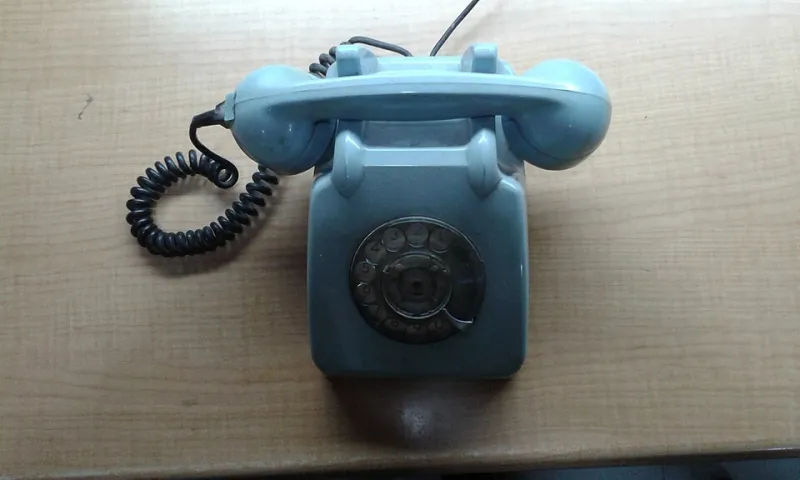
Photo: Sidheeq, CC BY-SA 4.0, via Wikimedia Commons
Somewhere in America, someone is dialing a number they found scrawled in an old notebook. Maybe it belonged to a grandmother. Maybe it's a restaurant that closed during the pandemic, still listed on a forgotten Yelp page. The phone rings. A stranger answers. And for one strange moment, two lives intersect across a wire that was never meant to connect them.
This is what happens when phone numbers die — and then come back to life.
The Recycling Machine
Here's something most people don't think about: phone numbers are a finite resource. The North American Numbering Plan, which governs how phone numbers are structured across the U.S., Canada, and parts of the Caribbean, has a fixed pool of available combinations. As the population grows and mobile devices multiply, that pool gets strained.
So numbers get recycled. When a line goes dormant — when a business shuts down, a person moves, or a contract lapses — that number eventually gets released back into circulation and assigned to someone new. The Federal Communications Commission has guidelines around how long carriers are supposed to hold disconnected numbers before reassigning them, but in practice, the system isn't perfectly consistent. Sometimes a number sits dark for years. Sometimes it turns around in months.
The result is a quiet, ongoing collision of past and present that plays out in living rooms and on cell phones across the country every single day.
When History Picks Up the Phone
Some disconnected numbers carry more weight than others. Consider the old hotlines and public-facing numbers that once served as genuine lifelines during moments of national significance.
During the early days of televised news and public broadcasting, network switchboards fielded calls that history books would later describe as pivotal. The White House comment line, various crisis hotlines from the Cold War era, the customer service numbers for companies that no longer exist — all of these once represented real points of human connection. When they go dark, something more than a business listing disappears.
There's a particular poignancy to dialing a number that once belonged to, say, a beloved neighborhood hardware store that operated for 60 years before the owner retired with no one to take over. The number might now belong to a teenager in a completely different city. That teenager has no idea that for decades, their current number was the place a whole community called when the pipes froze.
At 1280816 Hub, we think about this kind of thing a lot — the way numbers accumulate meaning, layer it like sediment, and then pass it on invisibly to whoever comes next.
The Ghost Caller Phenomenon
Ask around and you'll find that a surprising number of Americans have experienced some version of this: receiving calls meant for someone who used to have their number. It's annoying at best and genuinely unsettling at worst.
There are Reddit threads full of these stories. Someone gets a new number and starts receiving calls from elderly people asking for their deceased spouse. A small business owner picks up a recycled number and spends months fielding calls for a debt collection agency that previously held the line. A college student answers what turns out to be a regular check-in call from a worried parent — only neither person on the line is who the other expected.
These accidental connections are brief, usually awkward, and often quickly resolved. But occasionally they become something else. There are documented cases of people forming genuine friendships — or at least meaningful exchanges — with strangers who called a recycled number. A wrong number call that opens with confusion sometimes ends with a conversation that neither person expected to need.
Numbers That Became Cultural Artifacts
Some phone numbers transcend their original function entirely. They become part of the cultural fabric.
The number 867-5309, immortalized by Tommy Tutone's 1981 hit, became so notorious that real people with that number in their area code spent years fielding prank calls. Some of them eventually listed the number on eBay. One person reportedly made a decent chunk of money renting it out to businesses looking for a quirky marketing hook.
Then there are the numbers embedded in old movies and TV shows — numbers that were real at the time of filming and have since been reassigned to real people who now receive calls from fans trying to reach fictional characters or long-defunct production offices. The entertainment industry eventually adopted the 555 prefix convention specifically to avoid this problem, but plenty of older content still circulates with live-looking numbers in the frame.
And let's not forget toll-free vanity numbers — 1-800-FLOWERS, 1-800-MATTRESS, and their brethren — which represent a whole different kind of number storytelling. When a company that built its brand around one of those numbers folds, that number becomes a kind of memorial. Occasionally a competitor swoops in and acquires it. Sometimes it just sits there, ringing into nothing.
What Gets Lost When the Line Goes Dead
There's a real archival problem lurking inside all of this. Phone numbers appear in historical documents, newspaper archives, old advertisements, and public records. They were once reliable anchors — a way to reach a person or a place that felt permanent. Now they're anything but.
Researchers trying to track down sources, journalists working on retrospective pieces, genealogists attempting to trace family histories — all of them run into this wall. The number exists in the record. The number no longer connects to anything it once did. The trail goes cold.
Digital preservation advocates have started pushing for better archiving of phone number metadata — not the calls themselves, but the records of what numbers existed, who held them, and when they changed hands. It's a niche concern, but it points to a bigger truth: we built a communication infrastructure on identifiers we assumed would stay put, and they don't.
The Number Lives On
Maybe that's the most interesting thing about disconnected phone numbers. They don't really disappear. They get reassigned, repurposed, and occasionally resurrected. The digits themselves persist — just pointed somewhere new.
Every number tells a story, as we like to say around here. And sometimes, when you dial a number that used to mean something to someone else, you become an unplanned chapter in a story that was already well underway before you ever picked up the phone.