Wired at Midnight: How the 24-Hour Content Machine Is Quietly Stealing American Sleep

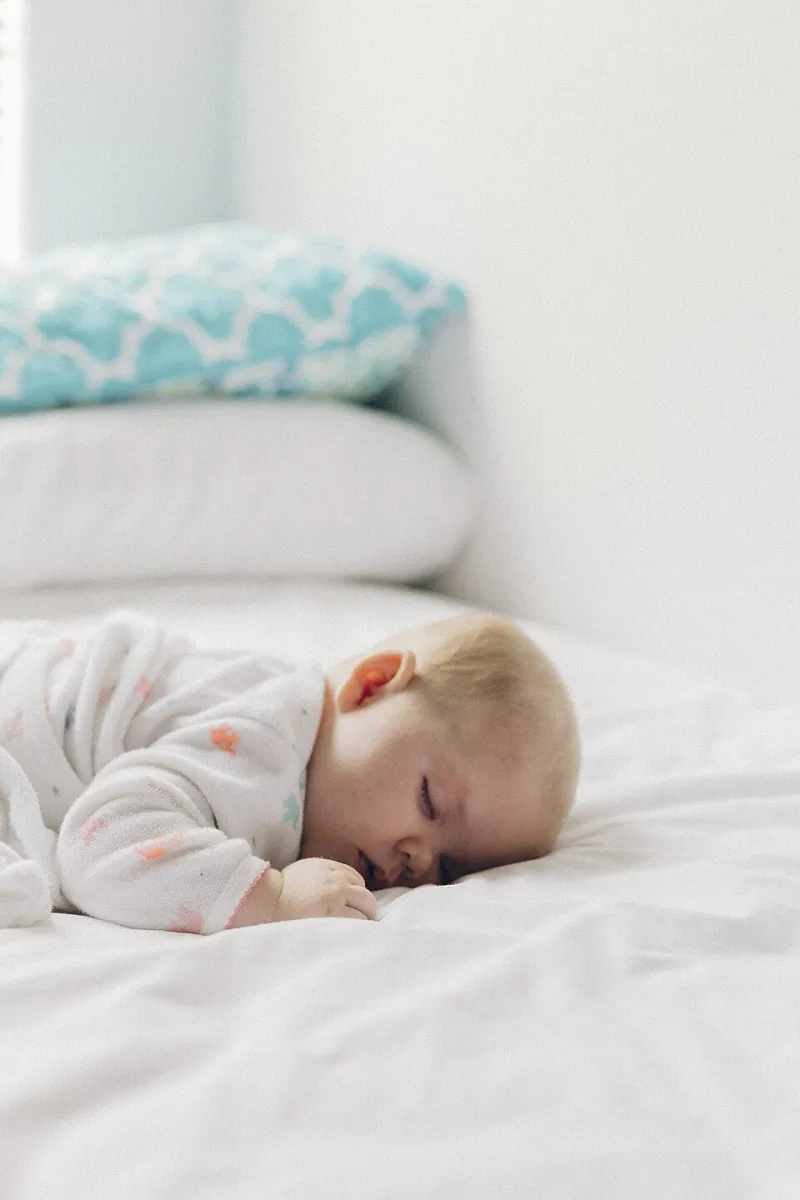
Photo by Photo by Patrik Larsson on Unsplash on Unsplash
There's a number that quietly governs almost every aspect of your daily life, and it's not your credit score or your bank balance. It's 24. Twenty-four hours in a day — a limit that human biology has respected for hundreds of thousands of years. The internet, however, didn't get that memo.
Somewhere between the invention of the smartphone and the rise of the infinite scroll, we handed over the keys to our circadian rhythms and let an algorithm decide when we should finally put the phone down. Spoiler: it never tells us to.
The Machine That Never Sleeps
Content platforms are engineered around one core principle — engagement at all hours. Netflix, TikTok, Instagram, YouTube, Reddit — they don't have closing times. They don't dim the lights at 10 p.m. and shoo you out the door. They serve fresh content around the clock because, statistically speaking, someone in your time zone is always awake and scrolling.
That constant availability creates what researchers call "social jet lag" — a misalignment between your body's natural sleep-wake cycle and the schedule your screen is nudging you toward. Your brain is wired to wind down when it gets dark. Blue light from your phone screen essentially lies to your brain, telling it that the sun is still up and there's more to see. The result? Your melatonin production gets delayed, your sleep onset shifts later, and you wake up exhausted even after a full seven or eight hours in bed.
It's not a bug in the system. For the platforms, it's a feature.
What the Numbers Actually Say
The CDC has flagged insufficient sleep as a public health epidemic — and that label isn't handed out lightly. More than one in three American adults regularly fails to get the recommended seven or more hours of sleep per night. Among teenagers, the picture is even grimmer. The American Academy of Sleep Medicine recommends eight to ten hours for adolescents. Most are getting closer to six.
A 2023 Gallup survey found that Americans are sleeping an average of 6.4 hours on weeknights — down nearly a full hour from what the same survey captured two decades ago. That single hour of lost sleep, compounded night after night, adds up to a staggering cognitive and physical toll. Think slower reaction times, impaired memory consolidation, elevated cortisol levels, and a weakened immune system. All because the algorithm had one more video queued up.
The Generational Divide Is Real — and Widening
Here's where it gets interesting from a cultural standpoint. Sleep deprivation isn't hitting every generation equally, and the gap is widening in ways that tell a bigger story about how differently Americans relate to technology across age groups.
Gen Z — those born roughly between 1997 and 2012 — grew up with smartphones in their hands before they grew up at all. For this cohort, the boundary between online and offline life is almost nonexistent. According to Pew Research, nearly half of U.S. teens say they're online "almost constantly." That's not a metaphor. These are kids who are receiving push notifications, DMs, and algorithmically curated content at midnight on a school night, and their developing brains are the ones paying the steepest price.
Millennials, meanwhile, occupy a strange middle ground. They remember a pre-smartphone world but came of age just as social media exploded. Many are now parents dealing with their own screen dependency while simultaneously trying to manage their kids' relationships with devices. The stress of that dual role isn't exactly helping anyone sleep better.
Boomers and Gen X? They're not immune. Remote work culture, which exploded during the pandemic and never fully retreated, has blurred the line between "work hours" and "personal time" for workers of all ages. When your laptop is on the kitchen counter and your boss can Slack you at 11 p.m., the idea of a true wind-down routine starts to feel almost quaint.
The Scroll-to-Sleep Pipeline
There's a particular habit that sleep scientists have started calling the "scroll-to-sleep pipeline" — the ritual of lying in bed, phone in hand, intending to check one last thing before drifting off. Sound familiar? You're not alone. Studies suggest that roughly 70% of Americans use their phone in the hour before bed, and nearly half admit to checking it after they've already turned the lights off.
The problem isn't just the blue light, though that's real. It's the emotional activation. Whether you're watching a tense true-crime video, reading an anxiety-inducing news thread, or just getting hit with a reel that makes you feel vaguely bad about your life choices, your nervous system registers that stimulation. It doesn't matter that you're horizontal and your eyes are half-closed. Your cortisol doesn't know you're "just relaxing."
The algorithm, of course, is optimized to keep feeding you content that provokes a reaction — because reaction equals engagement, and engagement equals revenue. Your restless night is, in a very literal sense, someone else's business model.
Is There a Fix, or Are We Just Cooked?
The honest answer is somewhere in between. There's no single switch to flip, no app update that will suddenly make Silicon Valley care more about your REM cycle than your watch time. But there are behavioral interventions that the research consistently backs up.
Setting a hard screen cutoff — even just 30 minutes before you want to be asleep — can meaningfully improve sleep onset. Keeping your phone out of the bedroom is more effective than most people expect, largely because removing the physical option eliminates the temptation entirely. Some sleep researchers are also pushing for phone manufacturers and platforms to build in more robust "wind-down" defaults, though the financial incentives to do so remain... limited.
On the policy side, there's growing momentum around legislation that would restrict algorithm-driven notifications to minors after certain hours. Several states have already moved on social media age restrictions, and sleep advocates are hoping that momentum carries into more targeted digital wellness protections.
The Number That's Worth Protecting
At the end of the day — literally — 24 is still all we get. The content cycle will keep spinning regardless of whether you're watching it. The notifications will keep stacking up. The algorithm will keep finding the next thing to show you, because that's exactly what it was built to do.
But here's the thing about 24 hours: a third of it was always supposed to belong to sleep. Not to streaming. Not to scrolling. Not to a platform's quarterly engagement metrics. The data is clear, the science is settled, and the cultural moment feels increasingly ripe for a genuine reckoning with what we've traded away — one late-night scroll at a time.
Your sleep schedule isn't just a personal preference. It's a number worth fighting for.